The A.R.R.O.W. Foundation
Since 2004 A.R.R.O.W. has been available in Trinidad with its office
based in Port-of-Spain. Through the A.R.R.O.W. Foundation,the programme has now been utilised in over 300 schools across the Trinidad, Tobago and Jamaica.
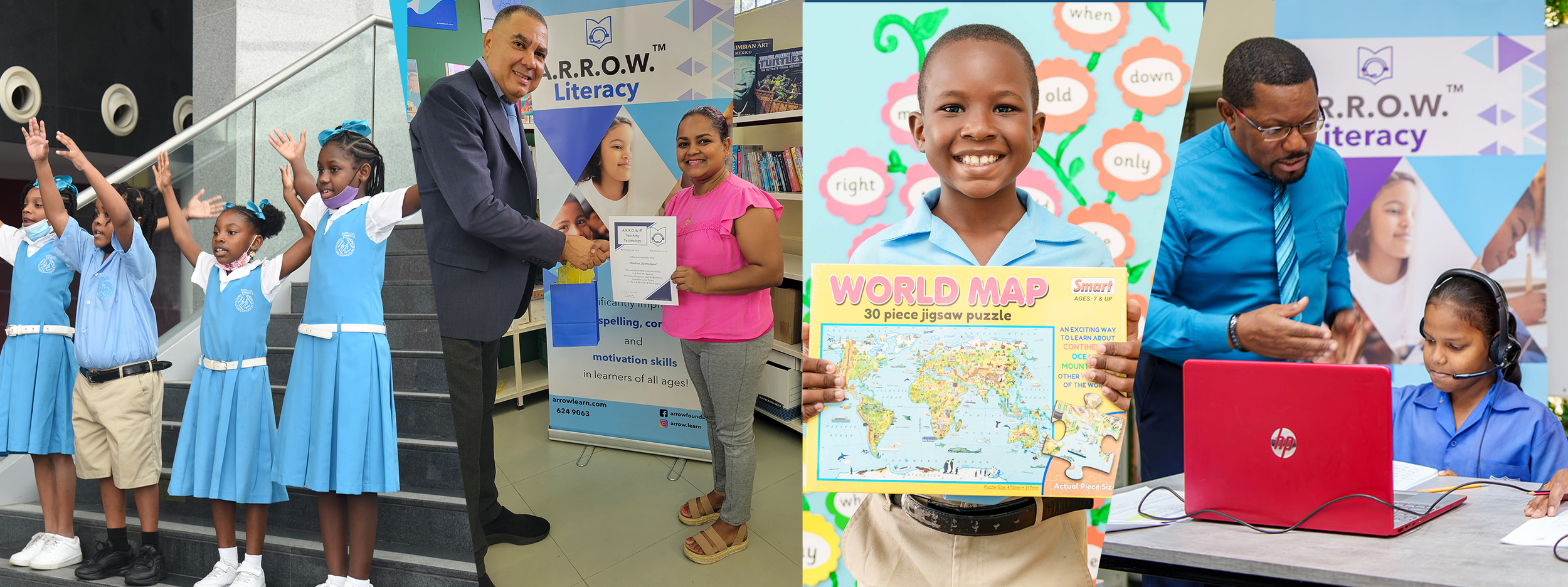
Since launching in Trinidad over 20 years ago, the A.R.R.O.W. Foundation has worked alongside schools, governments, corporate partners and communities to improve literacy outcomes for children facing the greatest educational barriers.
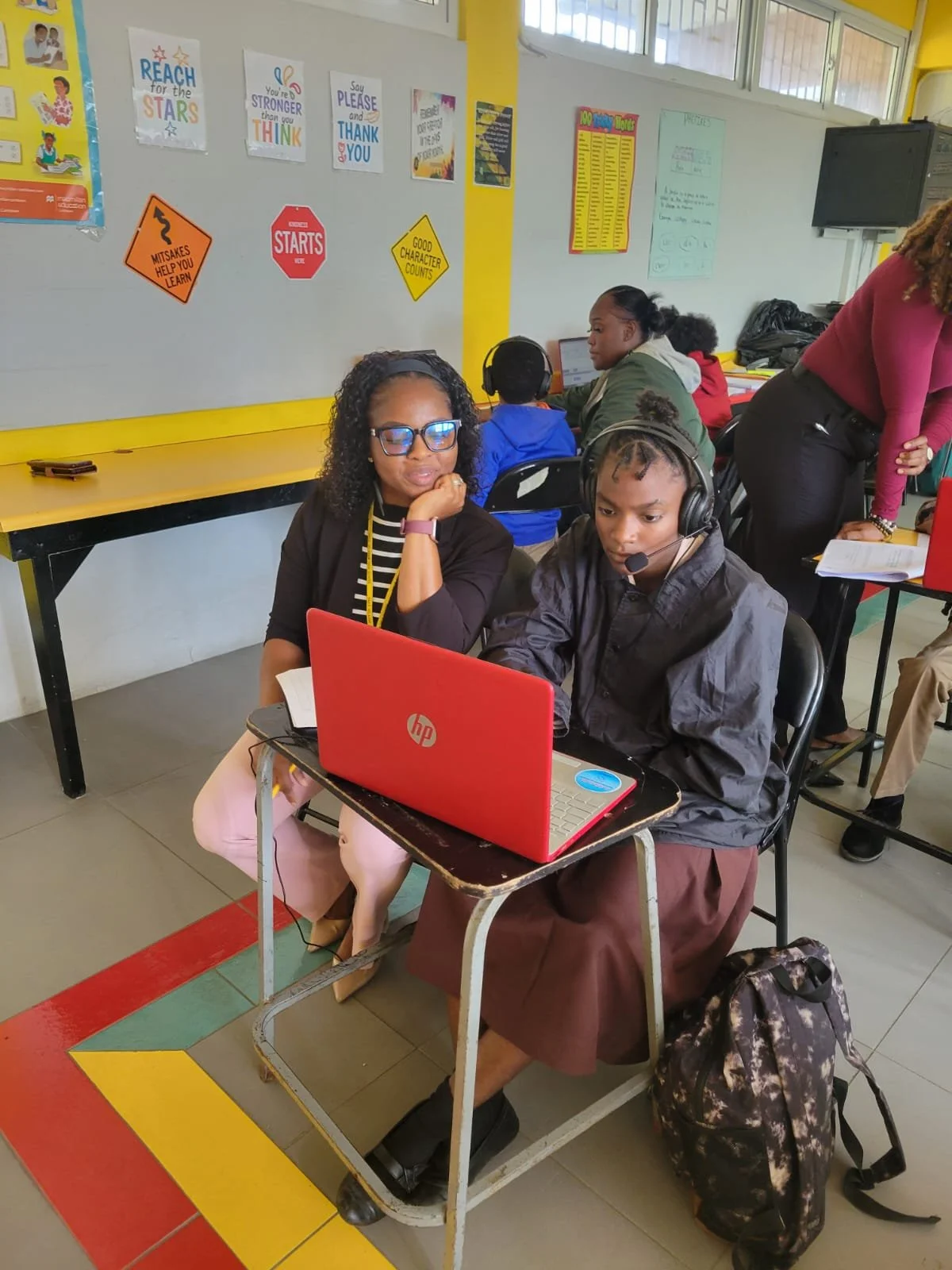
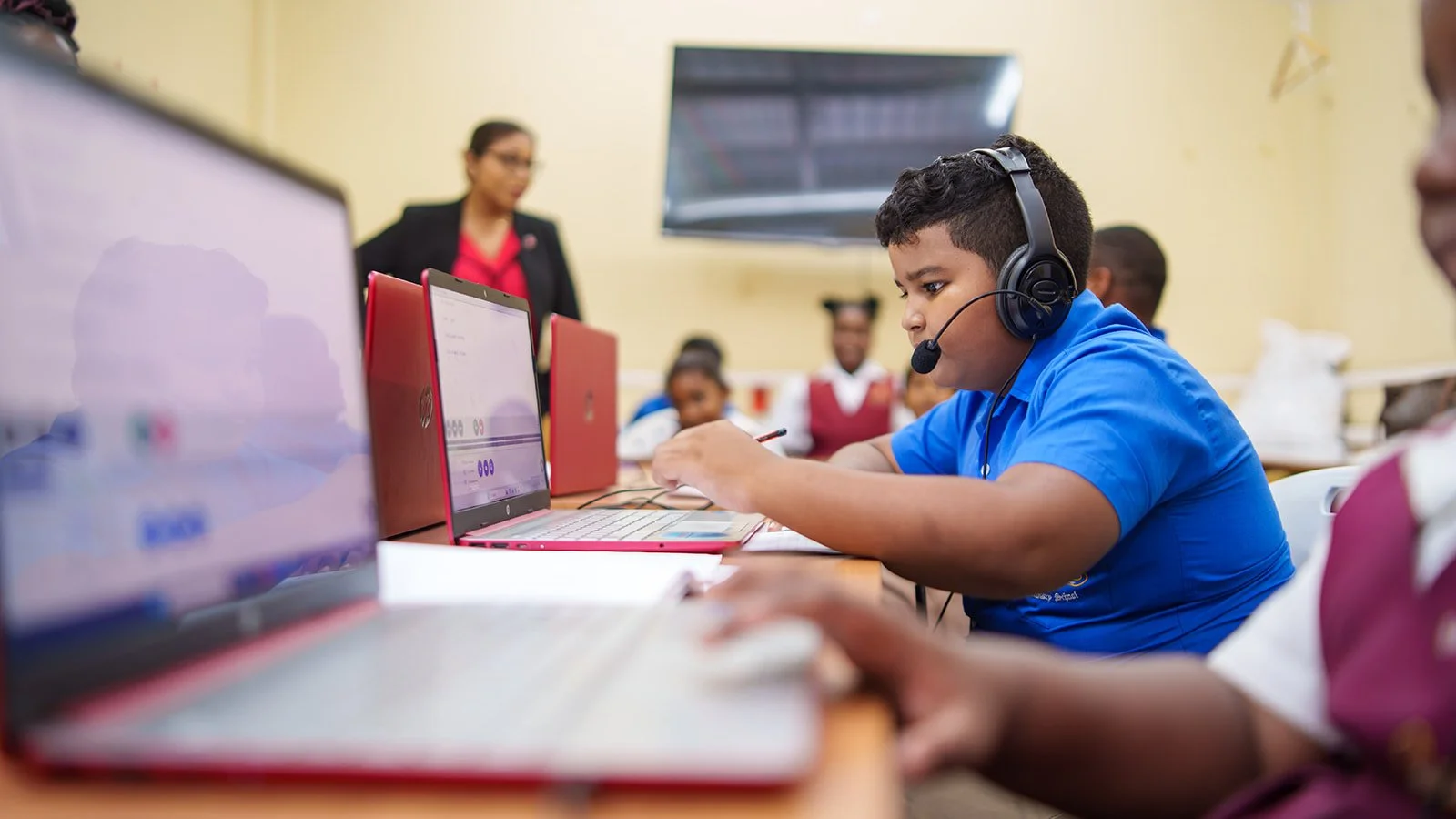
While the A.R.R.O.W. Self Voice intervention programme remains at the heart of this work, the Foundation's work incorporates a holistic learning approach. Through teacher training, parent workshops, storytelling initiatives, literacy celebrations, summer camps and community partnerships, they aim to build confident learners, strengthen schools, and create lasting educational change throughout the Caribbean.
Today, the Foundation's work spans Trinidad, Tobago and Jamaica, with a growing network of educators committed to giving every child the opportunity to succeed.
Point Fortin Anglican Primary School (Trinidad)
Five teachers trained and certified, with a new Literacy Corner established through donated laptops and A.R.R.O.W. software. Following intervention, 100% of participating students improved their reading age, while 96% improved their spelling age, alongside noticeable gains in confidence and classroom engagement.
Salazar Trace Primary School (Tobago)
Since 2023, the programme has become embedded within daily teaching practice. Four teachers have achieved UK certification, more than 45 students have completed personalised interventions, and the school now has the technology and support to continue delivering the programme independently.

Recent projects:
New publication in Caribbean Educational Research Journal
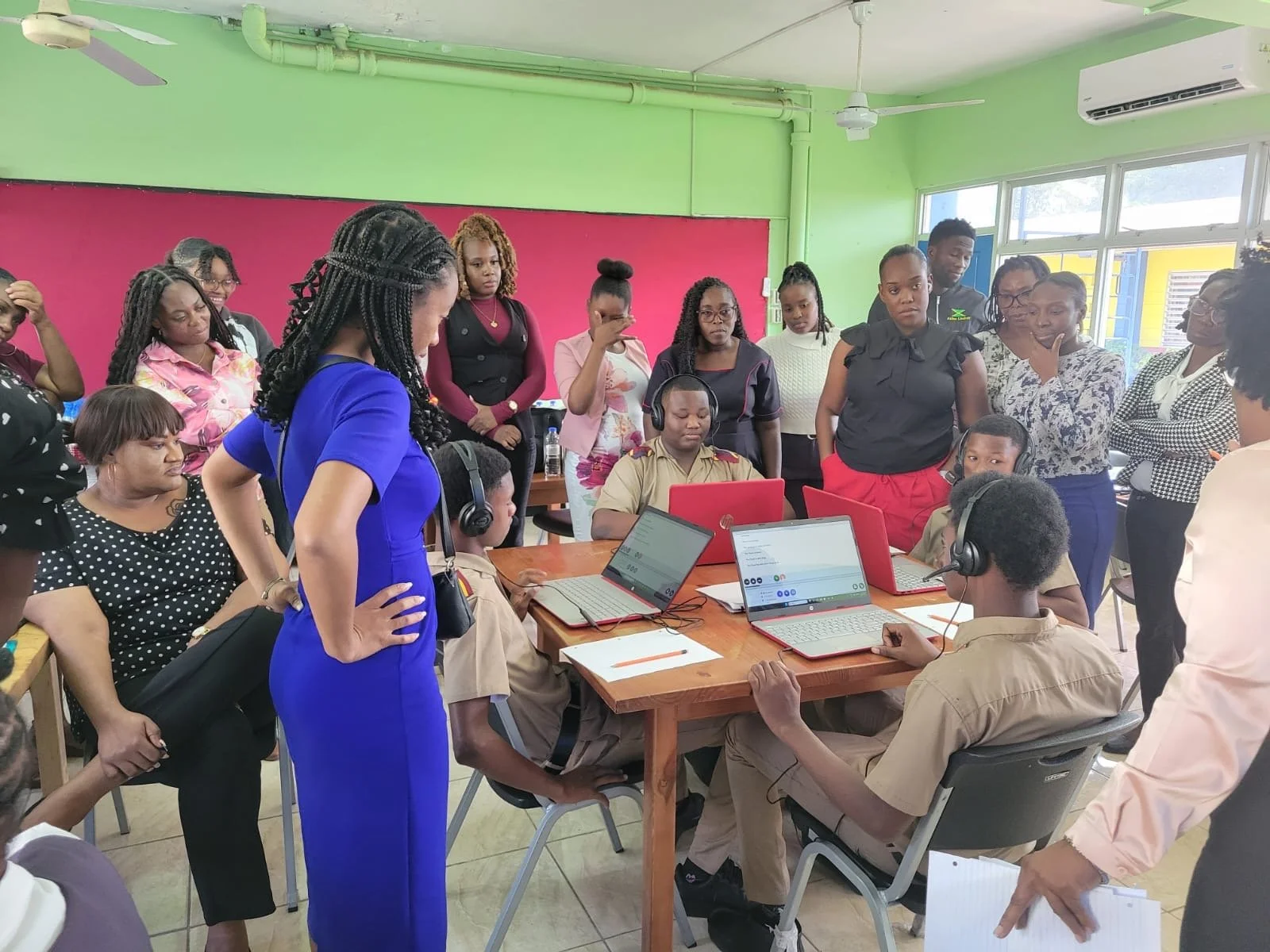
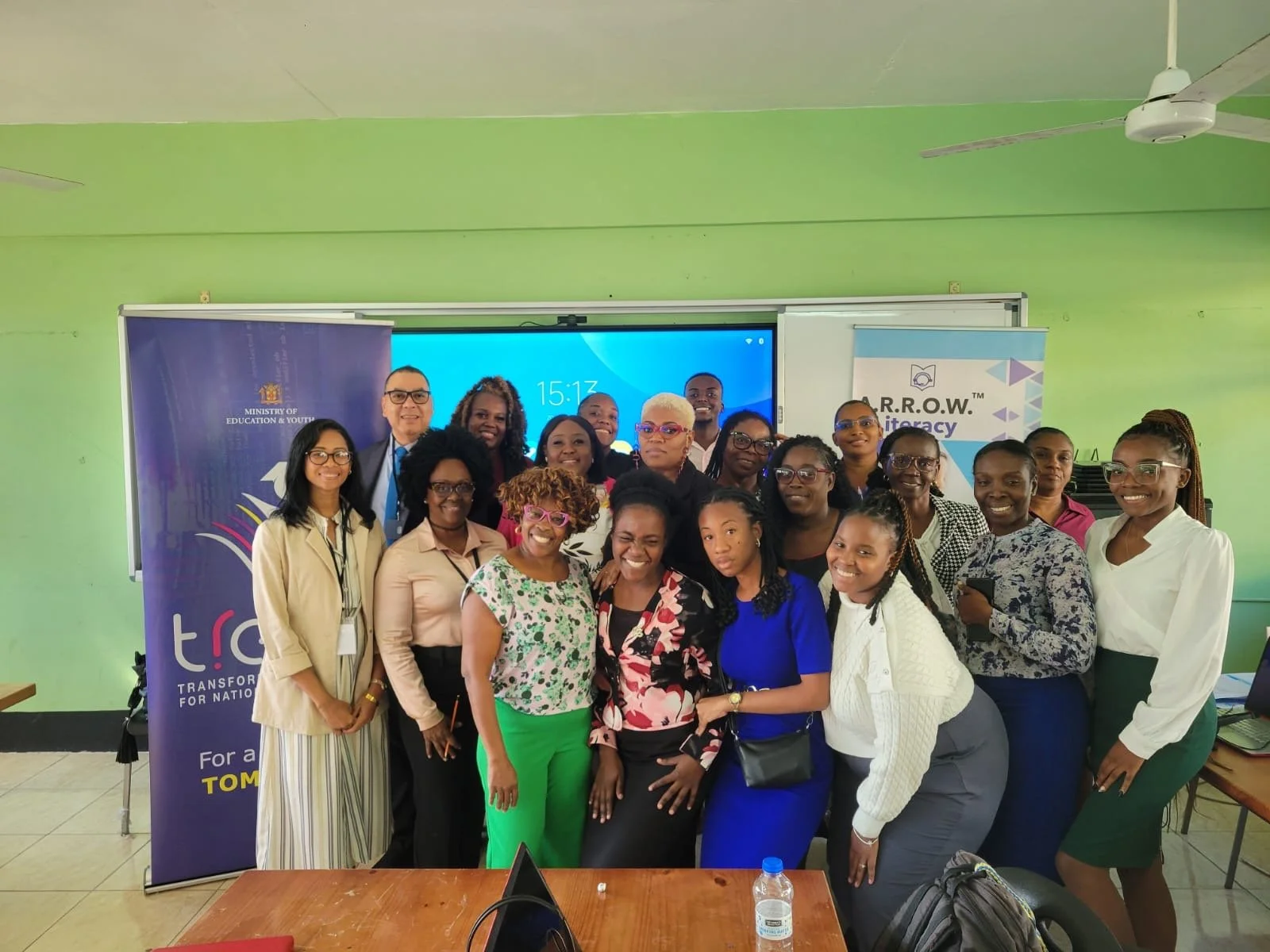
Teacher training workshops in Jamaica, 2026
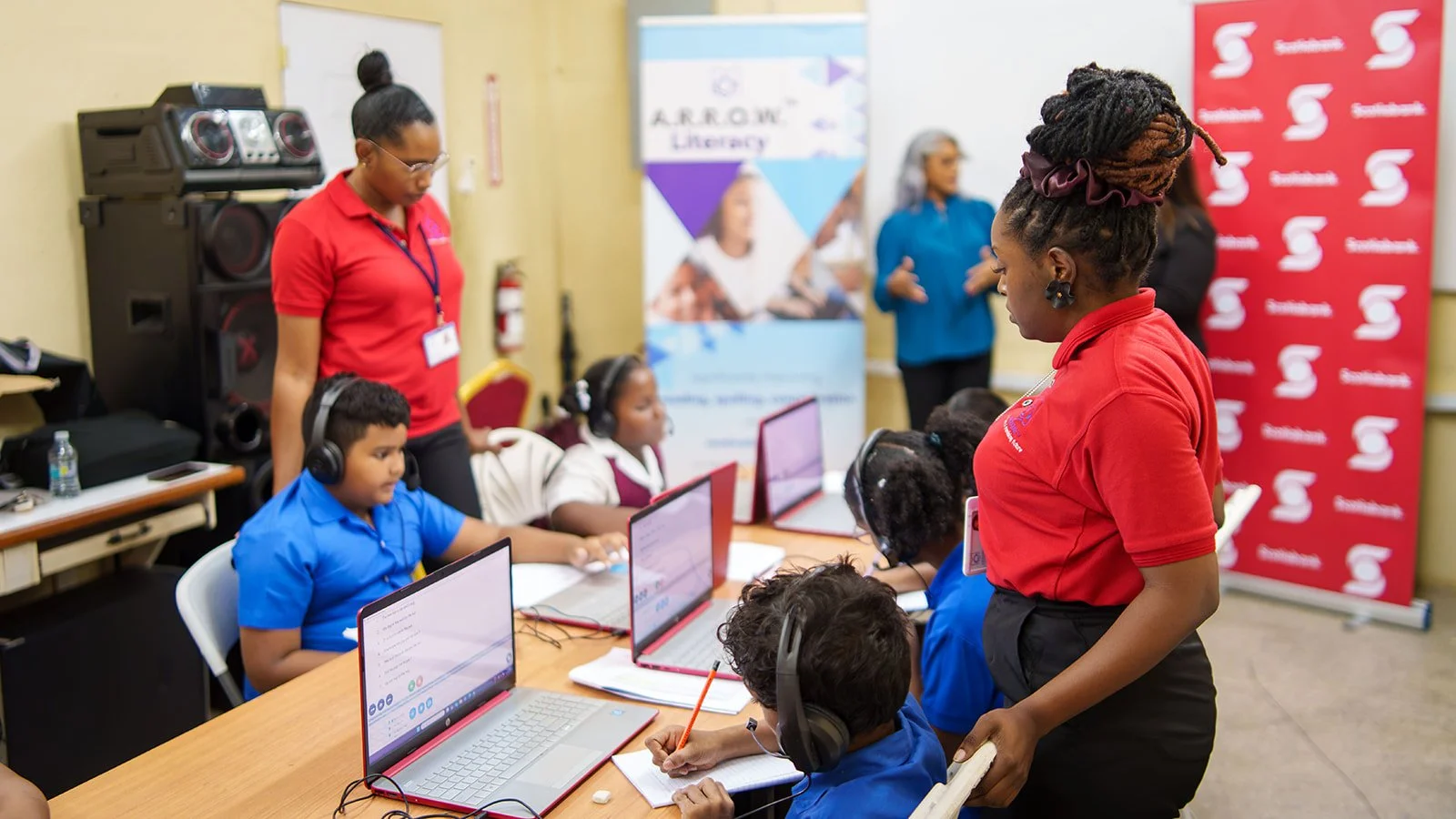
Research into the A.R.R.O.W.® Intervention programme in Trinidad & Tobago
Published research evaluating A.R.R.O.W.® literacy interventions in Trinidad and Tobago provides further evidence of the programme’s impact. Across two studies in 2021 and 2022, researchers examined the effectiveness of computer-based literacy support, including a randomised controlled trial involving 201 students.
The research found measurable improvements in literacy outcomes, with the first study showing gains in reading and spelling equivalent to approximately six to nine months of progress. The findings also contribute to the wider evidence base for computer-based literacy interventions in low- and middle-income countries.
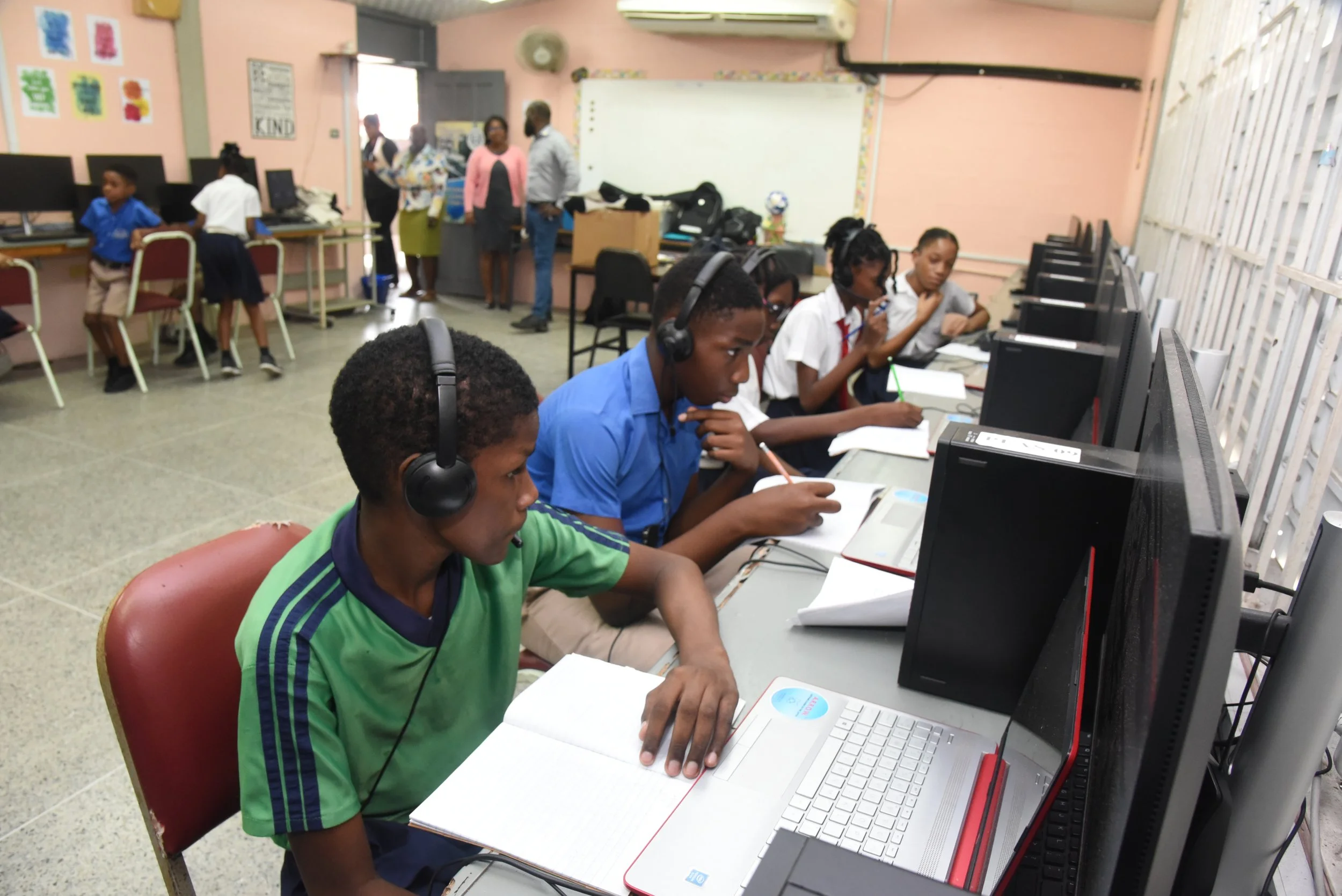

I got to watch my students grow, not just in their reading and spelling, but in how they saw themselves.
Alyssa King
Year 4 Teacher
Mason Hall Government
Primary School, Trinidad
Recent Articles