
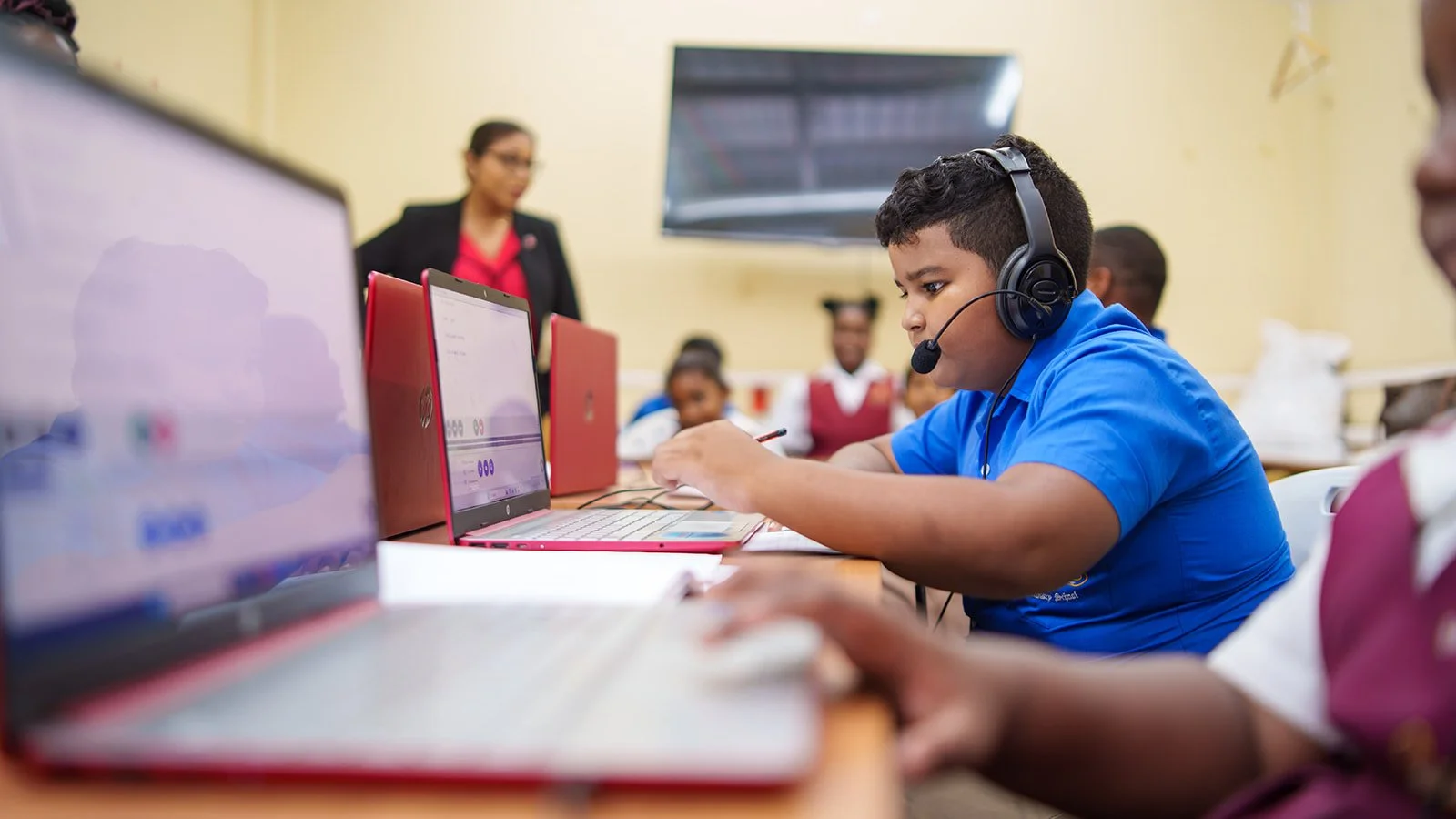
A.R.R.O.W.® is an internationally recognised, teacher-designed Self-Voice® learning system that supports students of all ages and abilities.
Developed by educators and continually refined through classroom practice and research across a wide range of disciplines, A.R.R.O.W.® has transformed learning outcomes for countless students. Its effectiveness is founded on a number of distinctive features that work together to create a powerful, personalised learning experience.

A.R.R.O.W.® in Schools and Colleges
Students learn more effectively when listening to themselves.
Evidence proves that the use of the recorded voice when linked to the inner voice greatly speeds up learning processes. Evidence from hundreds of students of all ages shows that they can average 8x normal progress for reading and 5x normal progress for spelling within 10 hours.
Economic advantages of A.R.R.O.W.®
An independent Irish study showed A.R.R.O.W. to be far more cost effective in terms of teacher time and results than any other intervention. A.R.R.O.W. set up/intervention costs are a few pence per pupil thus freeing valuable funding to be applied elsewhere.
Students can work independently within a group.
A.R.R.O.W. work is graded from non-reader to University level. Some students as young as 5 years can operate A.R.R.O.W. independently. Once reading and spelling levels of a student have been established, learning is almost immediate.
Most students acquire the computer skills for A.R.R.O.W. within 3-5 minutes.
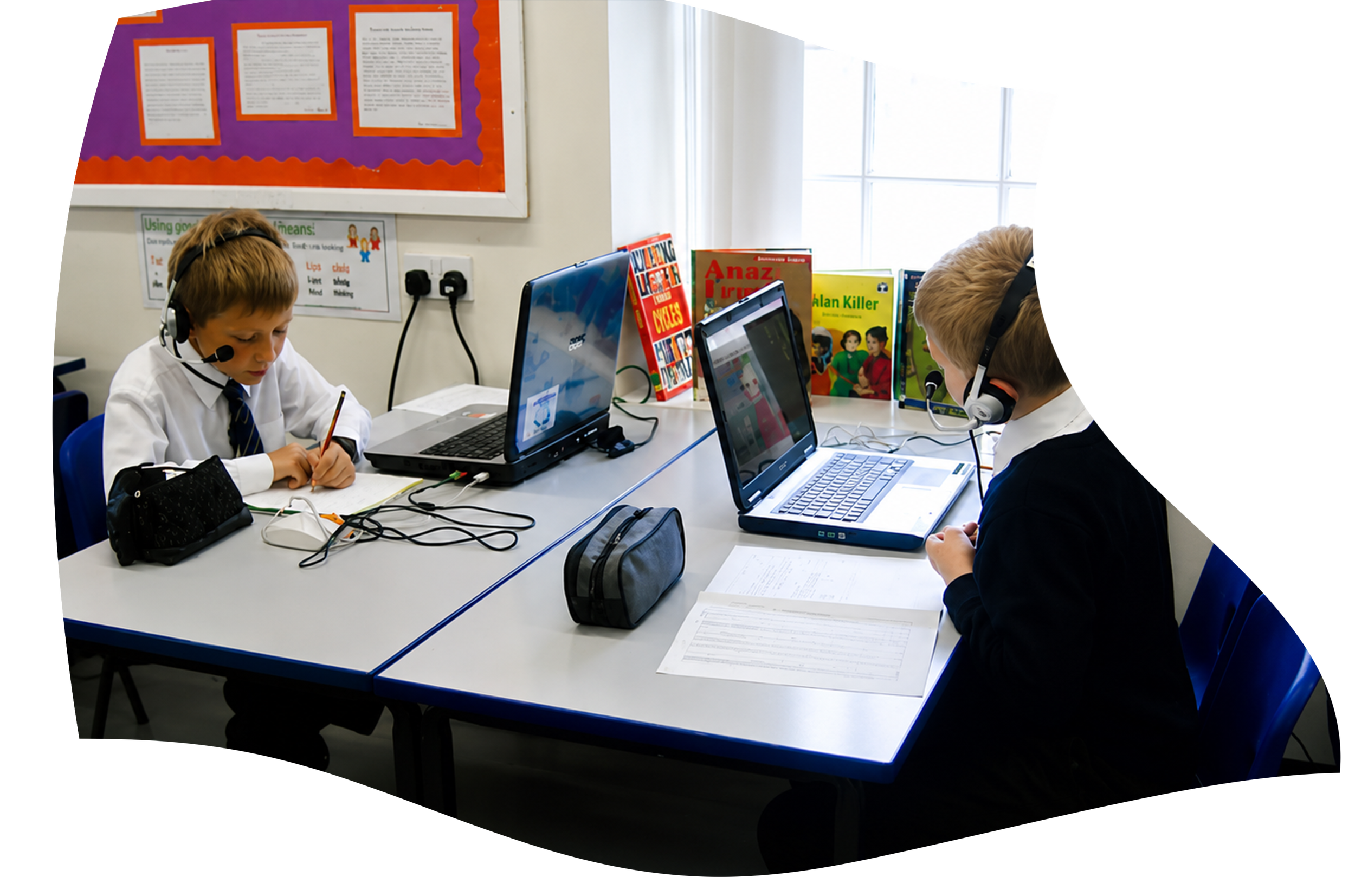
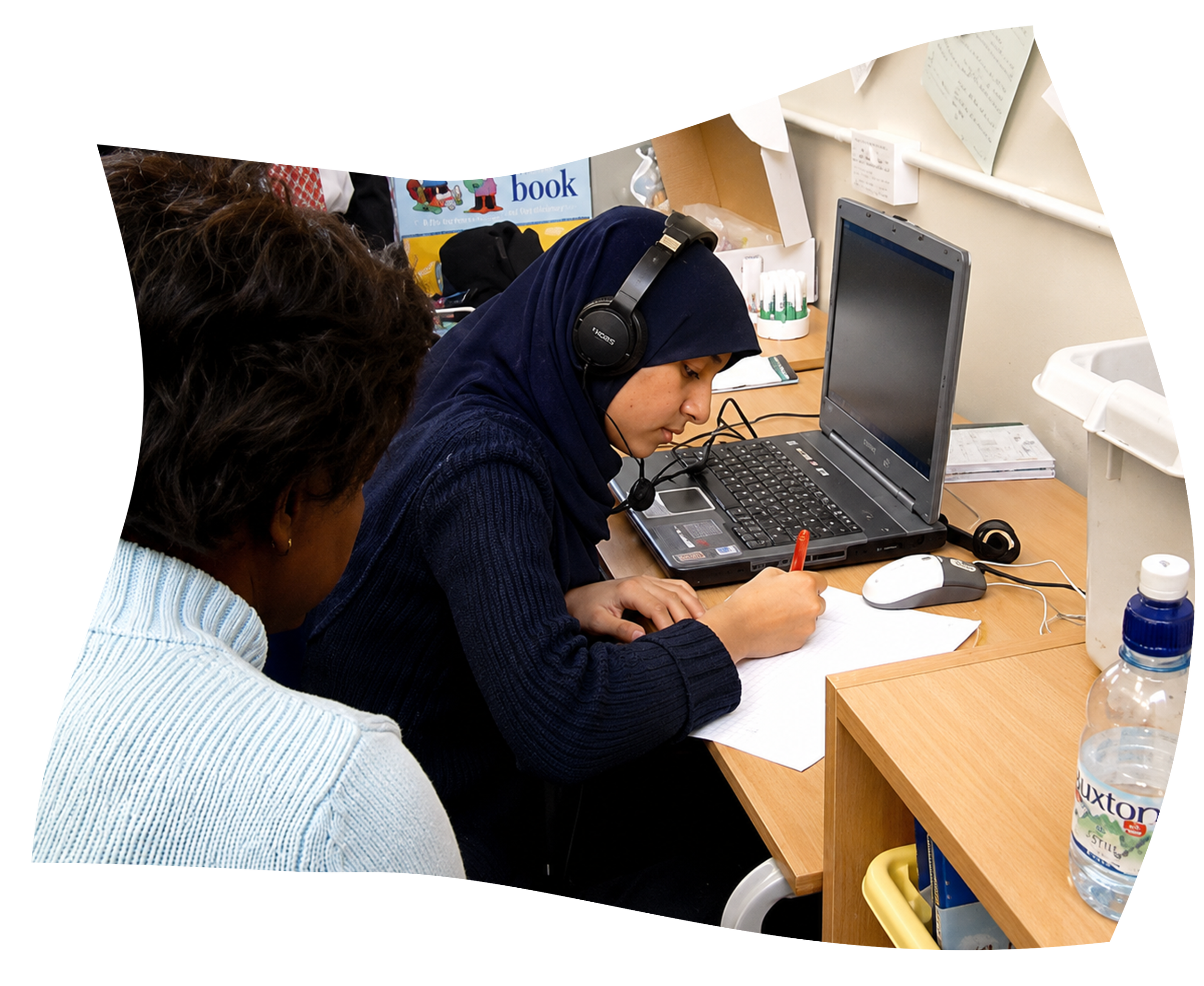
A Specialist Teacher or Teaching Assistant can therefore be helping a less able student 1:1 whilst overviewing 4–5 other students on the A.R.R.O.W.® program.
FAQs
Is there any recorded evidence that A.R.R.O.W.® can help school children?
A.R.R.O.W.® Tutors are expected to provide evidence of their success with school age students. Results from 72 UK based A.R.R.O.W.® tutors helping over 600+ students have been analysed. Improvements shown follow a maximum of 10 hours of A.R.R.O.W.® work.
Average student age 10.9 years
Pre-A.R.R.O.W.® reading age: 8.6 years
Post-A.R.R.O.W.® reading age: 9.3 years
Average Gain: 8 months
Pre A.R.R.O.W.® spelling age: 8.1 years
Post A.R.R.O.W.® spelling age: 8.8 years
Average Gain: 8 months
Long Term studies show improvements are maintained across non-intervention periods and even further progress is made during later interventions.
Do the students enjoy A.R.R.O.W.®?
Students comment most positively:
"It's like reading your own mind. It's amazing. I'm really getting there with my spellings for the first time ever."
Another pupil states "It like injects it into your brain straight away."
"I think it’s a lot better cause when you hear your own voice it’s like you understand it more better"
Has there been any independent research?
Independent Research has been conducted by the School of Education at Exeter University and by NEPPS in Eire. The Exeter University research involved all Year 6 pupils at a Bristol Primary School. A standard A.R.R.O.W.® 10 hour computer based program was followed using control and experimental groups.
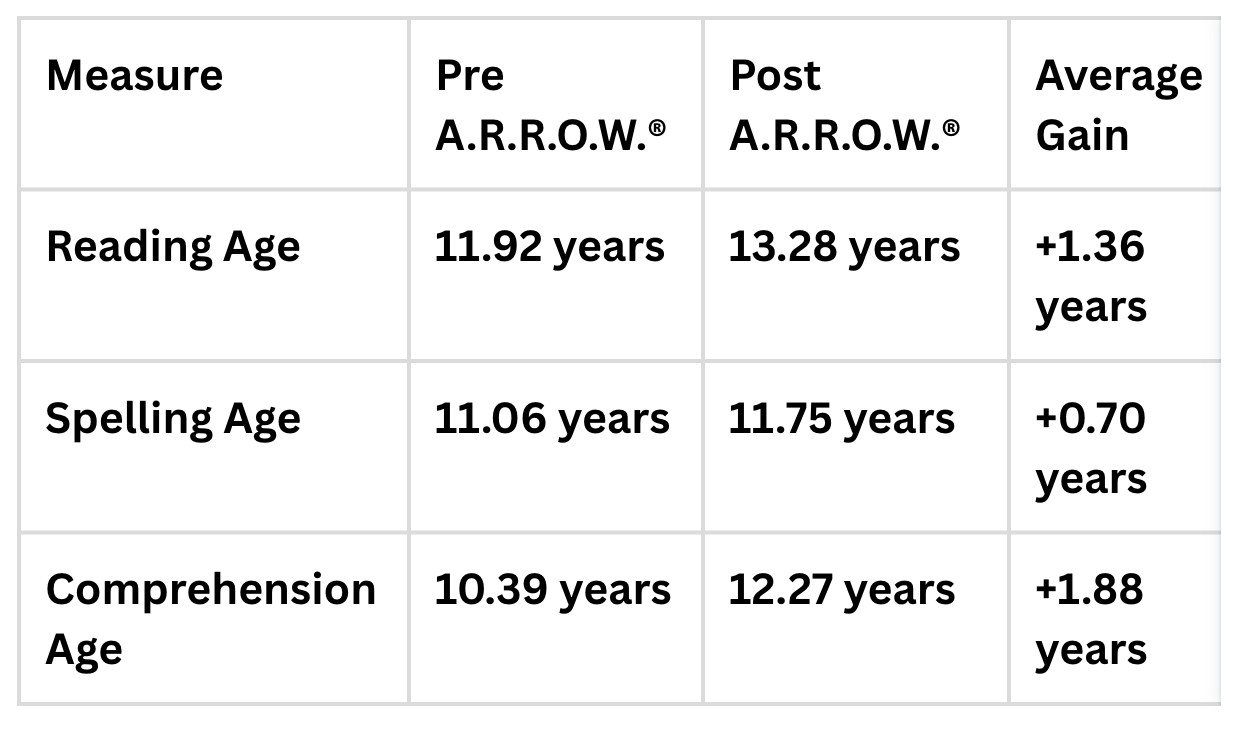
NEPPS Research conducted by Dr Mary Nugent in Eire compared several recognised literacy interventions including Arrow. It was found that in terms of results gained, A.R.R.O.W. was by far the most efficient use of teacher time.
What are the views of tutors?
Vikki Tasker, Deputy Headteacher Shaftesbury Junior School Leicester comments:
"Absolutely astounded by the results. Children and staff thoroughly enjoy it and I cannot envisage a time when we are not using it."
Kitty Garcia La Puerta School Primary in Trinidad:
"I found the results remarkable and if this is the extent it can improve our children in a short space of time, I would definitely recommend it..."
Ilwyn Wilcox when a Headteacher in South Wales comments on Year 6 improvements:
"...Excellent results...one particular child improved 8 months in 10 hours and quite frankly, if I'd had that improvement in a year I'd have been delighted...it's a combination of the Self-Voice, the programs, old fashioned teaching, the quality of the tutor, the full support of the school."
Dr Mary Nugent Senior Educational Psychologist:
"In terms of the benefits, A.R.R.O.W. teachers overwhelmingly commented on the progress that students made in reading and spelling...the other main area of positive comment was about the student's enjoyment or pride in the work..."