
About Us
A.R.R.O.W.® Teaching Technology is an innovative, multi-sensory learning programme, developed by Dr. Colin Lane with over 50 years of research. It is currently available in the UK, as well as Trinidad, Tobago and Jamaica.
What is A.R.R.O.W?
A Brief History of A.R.R.O.W.
Who is A.R.R.O.W. For?
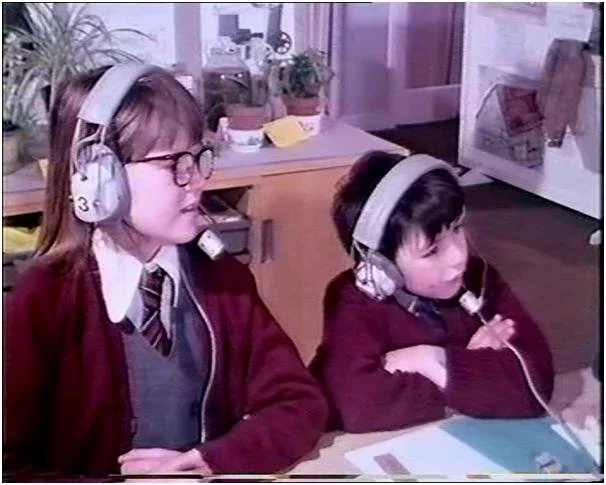
A.R.R.O.W.® is an acronym for Aural – Read – Respond – Oral – Write.
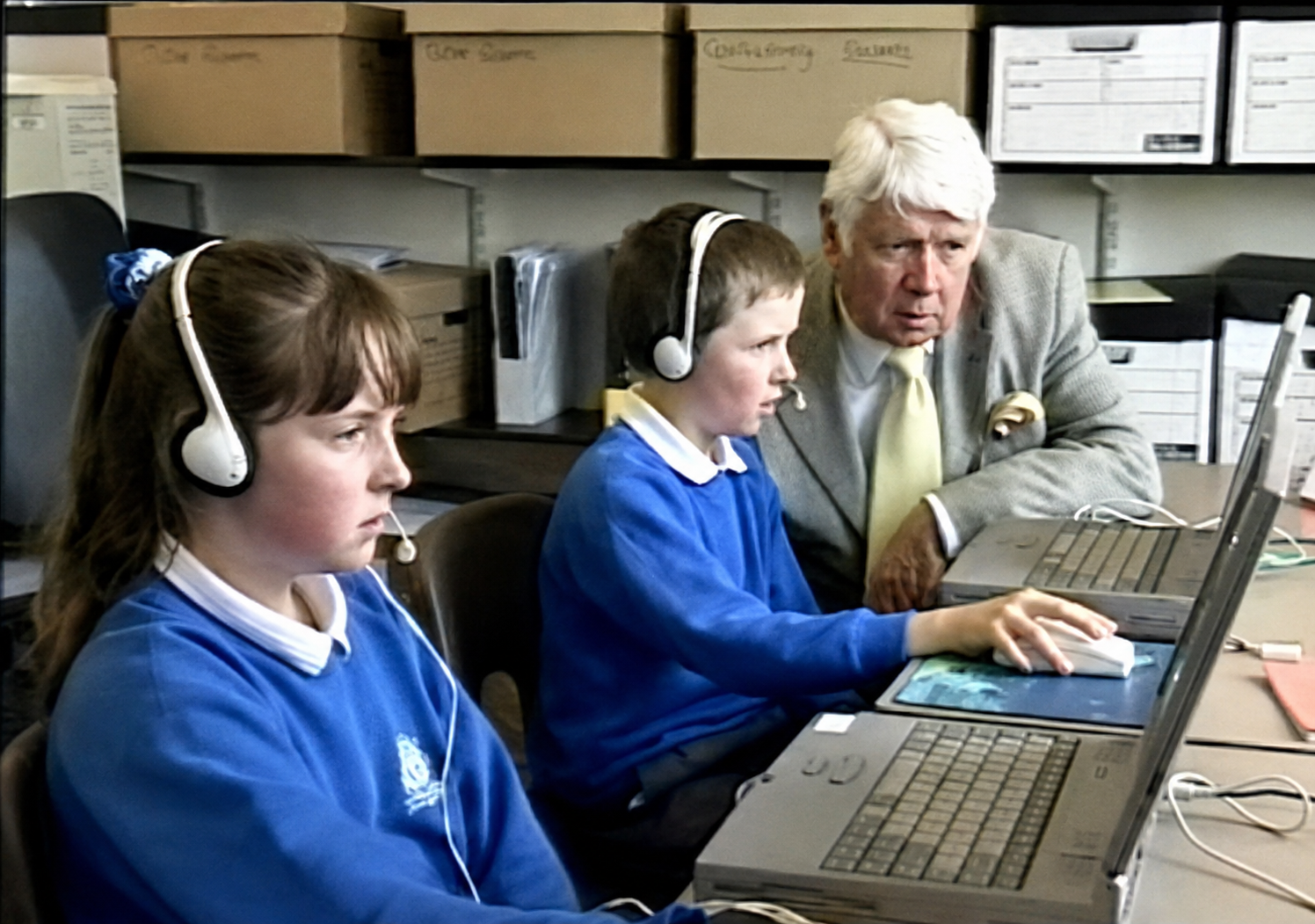
Aural … The student listens to speech on headphones.
Read … The student reads the text of the spoken material.
Respond … The student responds to the stimulus.
Oral … The student repeats the spoken word(s)
Write … The student writes down what is heard from the Self-Voice recording and marks their own work.
A.R.R.O.W. is therefore a multi-sensory blend of techniques, containing a combination of established and innovative learning strategies.
It is however, the student’s own voice, the Self-Voice, which remains central to the approach.
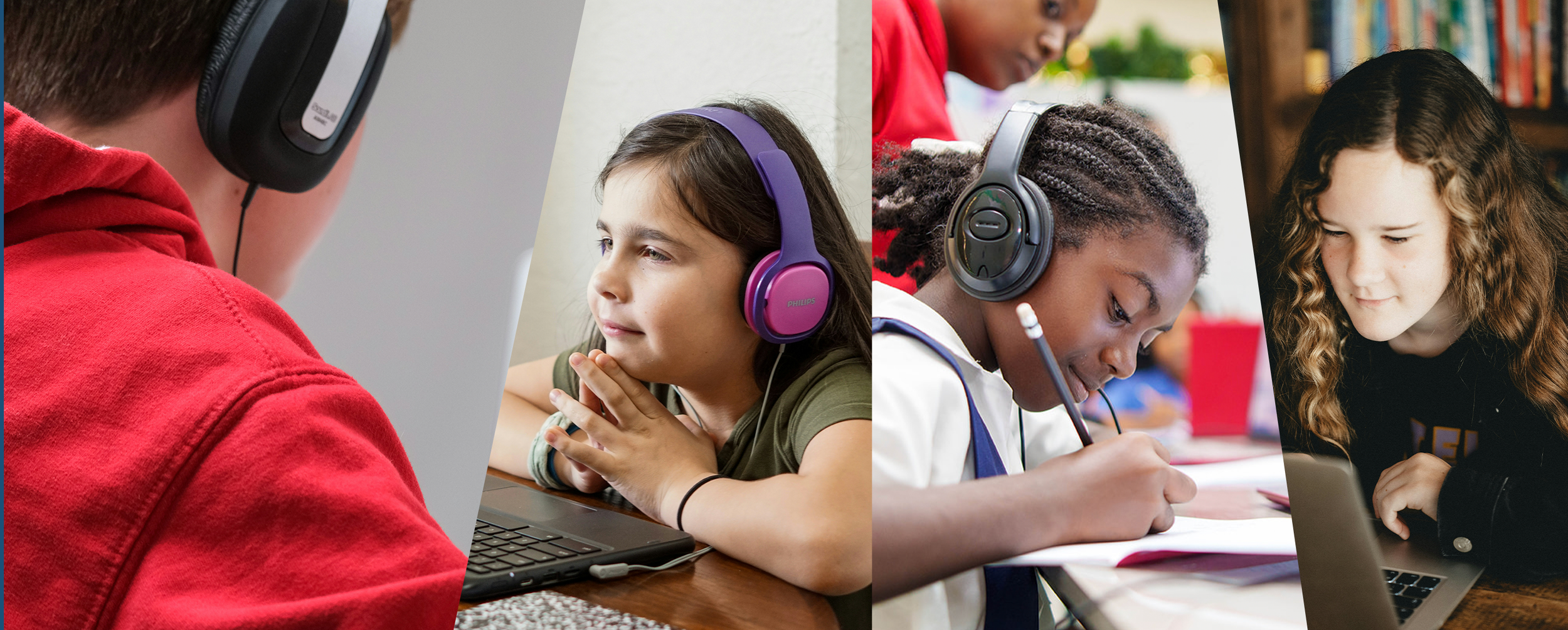
Suitable for learners of all ages and skill levels, from the ABCs and phonics through to university level, the programme targets reading, spelling, comprehension, listening and speech. The impact of hearing the self-voice is dramatic, linking the neurological and psychological processes that are so essential to learning.
The A.R.R.O.W.® intervention targets each student's individual learning difficulties through personalised programmes delivered by trained tutors over 4+ hours, broken into manageable sessions of 20–45 minutes, in groups of one to five students. Following these sessions, students are achieving some of the highest ratio gains recorded in the UK, with gains of 32.0 in reading accuracy, 44.0 in comprehension and 16.0 in spelling.
Independent work over many years has shown A.R.R.O.W.® to be a powerful learning tool for students of all ages and abilities, including those with reading, spelling and comprehension difficulties, listening and speech problems, as well as students of above-average learning ability. More recently, the programme has also been shown to help address the literacy deficits experienced by many students following the COVID-19 pandemic.
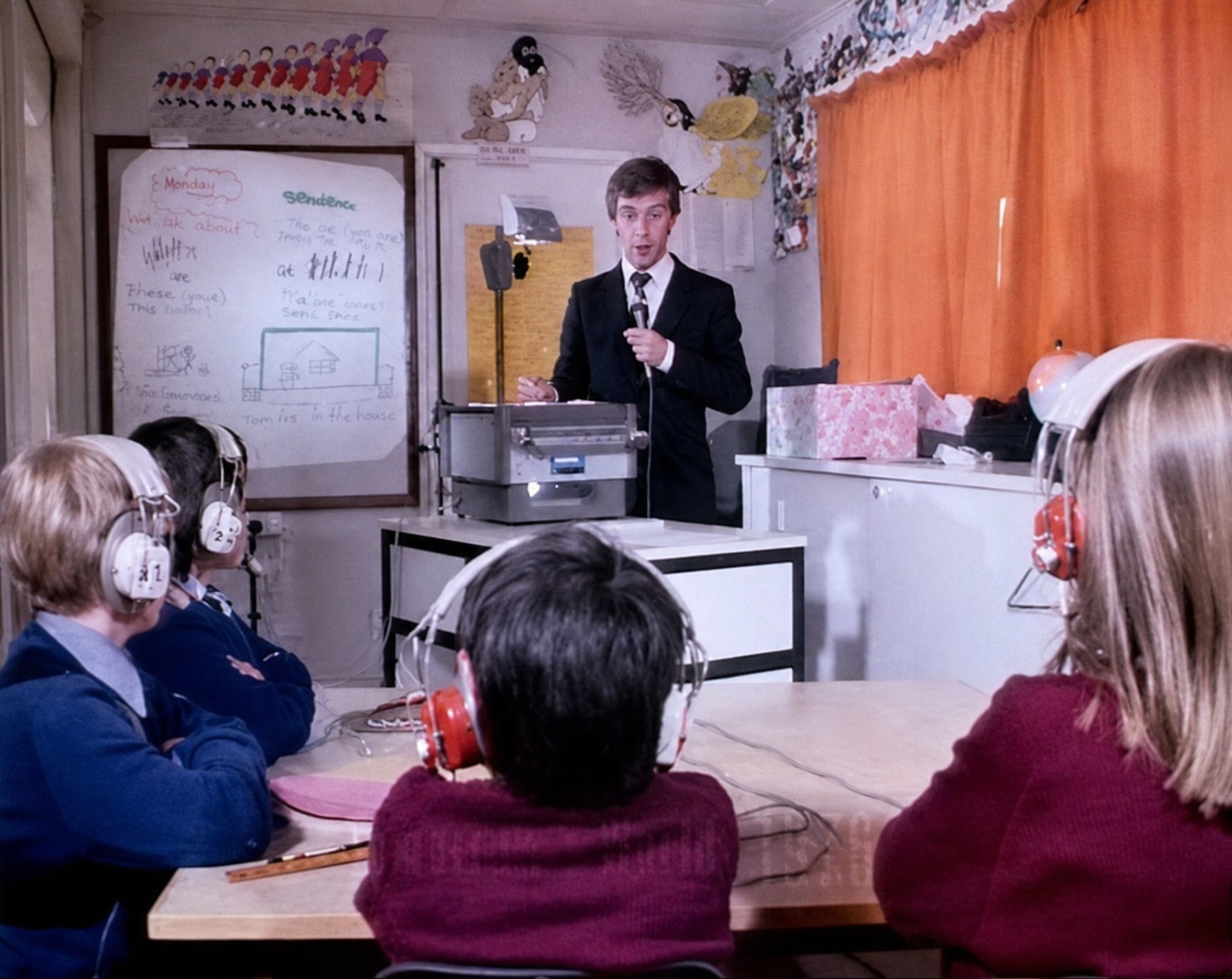
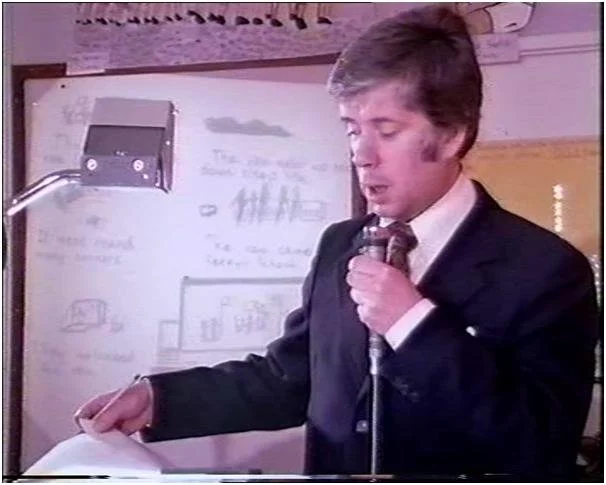
A.R.R.O.W. was first developed in the mid 1970’s when Dr. Colin Lane was working as a Teacher of the Deaf. Using two track recording equipment, he could play back a student’s own voice so that they could listen and compare this with the tutor's voice (his own) in order to alter their own speech sample.
On playback of the student’s own voice, some immediate effects became apparent. The deaf students often smiled when they heard their own voices but never smiled while listening to the tutor sample and would often turn the tutor voice off entirely when listening to the recordings.
It was also observed that some students silently mouthed to their own voice recording but never did so when listening to the tutor voice. A third feature evident after a few weeks was that the deaf children voluntarily lowered the speech volume, in some cases up to 20 dB less than they previously had required.
From the very onset, A.R.R.O.W. was showing direct links with the neurological internalising processes so necessary to learning.
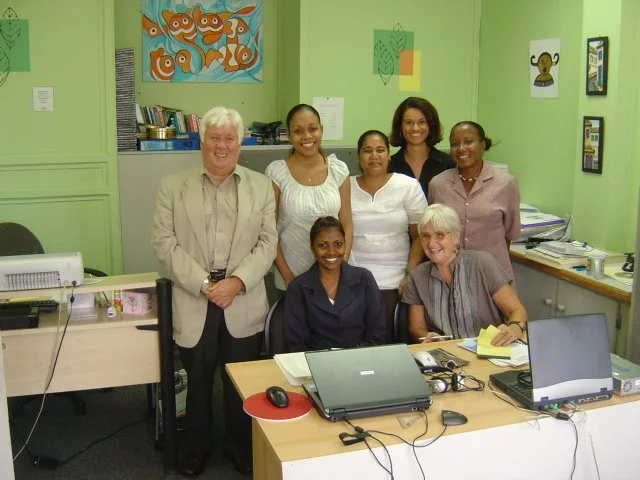
The population able to benefit from A.R.R.O.W. includes those with Reading and Spelling problems, English as an Additional Language, Dyslexia, Autism, Low Self Esteem, Visual Impairment, Hearing Impairment, Speech and Language Disorder/Delay, Children in Care, Stroke, Brain Injury, Cerebral Palsy, Parkinson’s, Alzheimer’s and other learning and cognitive difficulties.
Too many children and adults are unable to reach, or have lost, the reading, writing, speech and listening skills needed to fulfil their fullest potential. Self-Voice® replay has the potential to support millions of learners, including those with disabilities.
A.R.R.O.W.’s launch into the Caribbean
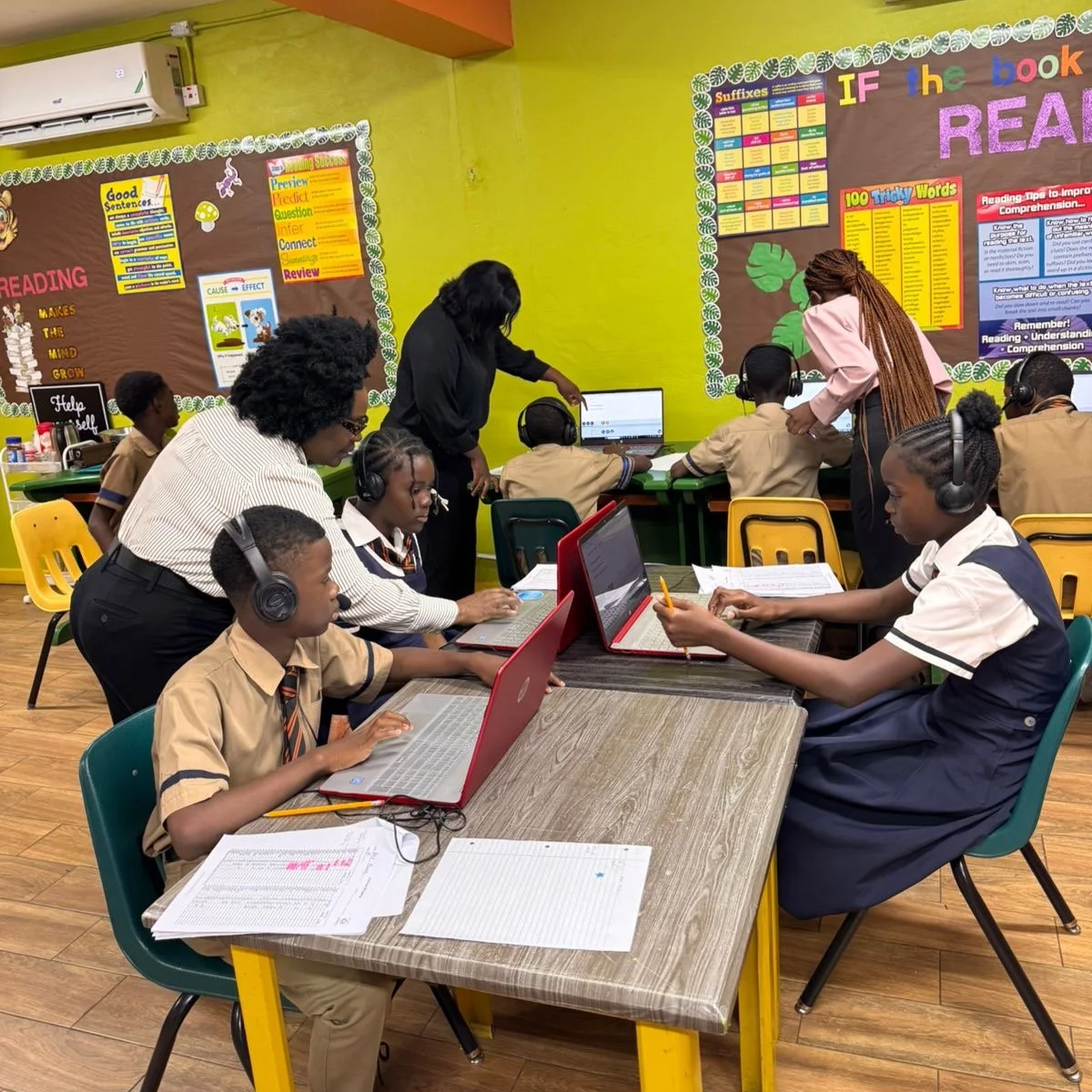
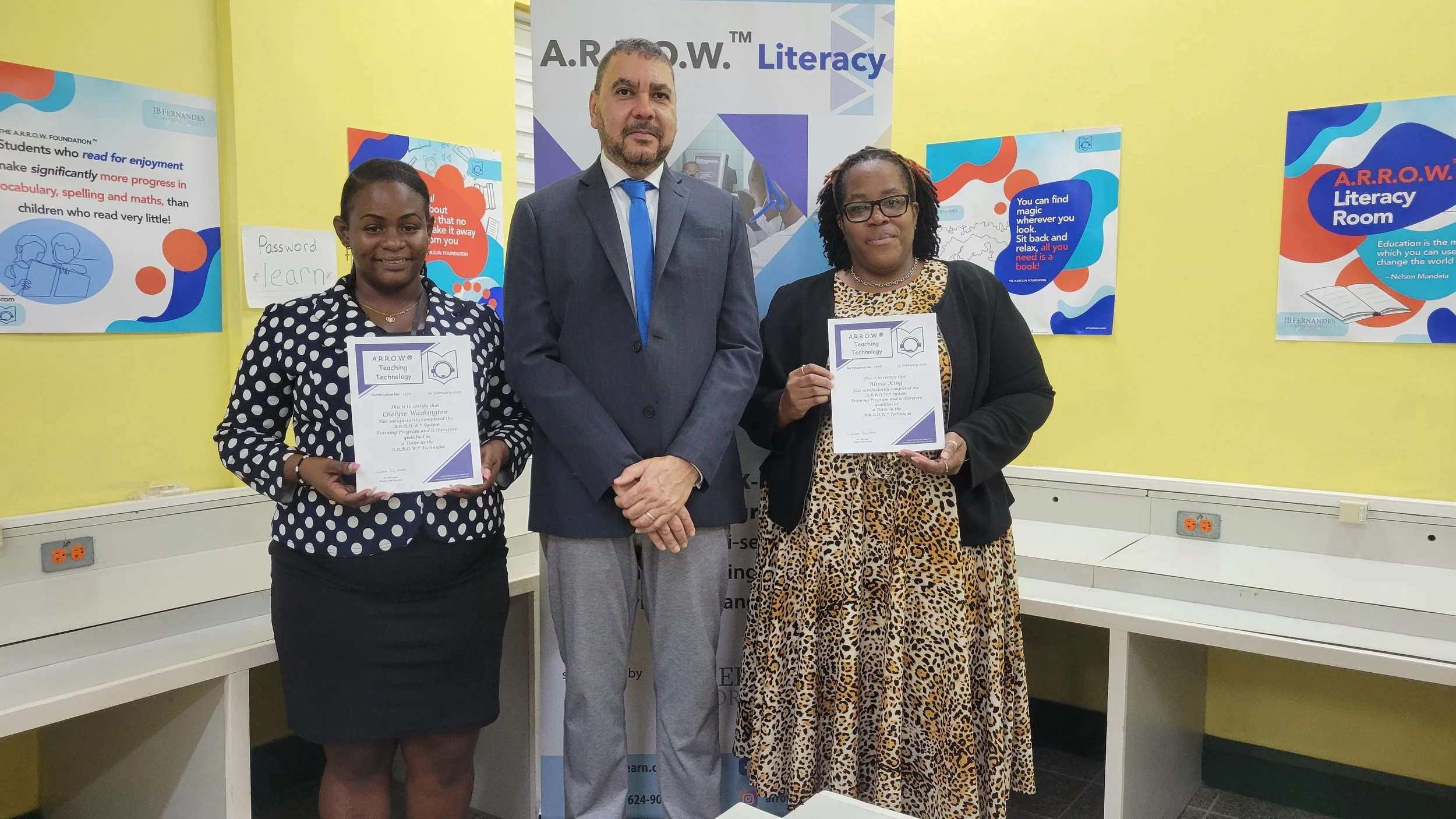
Since 2004 A.R.R.O.W. has been available in Trinidad, Tobago and Jamaica with its office
based in Port-of-Spain.
Through the A.R.R.O.W. Foundation, the programme has been utilised in over 300 schools across the country.
Since launching in Trinidad over 20 years ago, the A.R.R.O.W. Foundation has worked alongside schools, governments, corporate partners and communities to improve literacy outcomes for children facing the greatest educational barriers.
While the A.R.R.O.W. Self Voice intervention programme remains at the heart of this work, the Foundation's work incorporates a holistic learning approach. Through teacher training, parent workshops, storytelling initiatives, literacy celebrations, summer camps and community partnerships, we aim to build confident learners, strengthen schools, and create lasting educational change throughout the Caribbean.